


Aug
news
7 Common Filling Machine Problems (and How the Right Equipment Prevents Them)
Whether you are running a petrochemical plant, a paint manufacturing facility, or a food processing line, your filling machine sits at the heart of your production process. When it underperforms, the entire operation feels it.
Understanding the most common filling machine problems, and how to address them with the right equipment, can save your business significant time, cost, and operational risk.
Why Filling Machine Efficiency Matters in Production
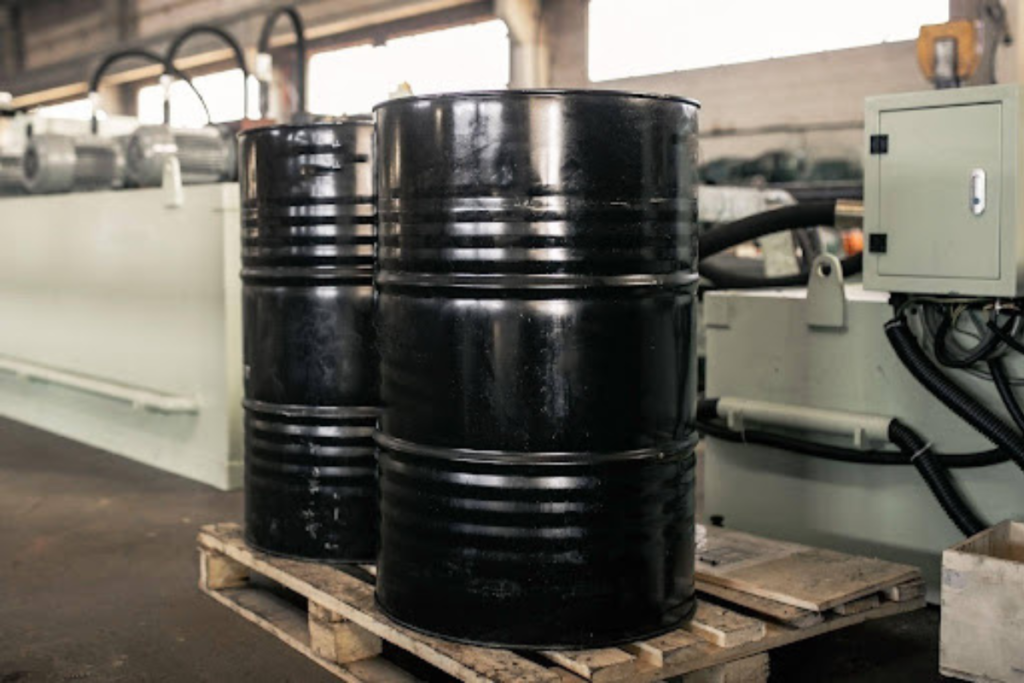
A well-functioning filling machine in Singapore directly affects product quality and batch consistency. Even minor deviations in fill volume can lead to product rejections, customer complaints, or costly rework across an entire production run.
Beyond quality, efficient filling machines help reduce product waste and lower overall operational costs. Every drop of overfill or underfill adds up, particularly at high production volumes.
In regulated sectors such as pharmaceuticals, food and beverage, and petrochemicals, filling accuracy is not just a production metric but a compliance requirement. Poorly calibrated equipment can result in penalties, product recalls, or loss of operating licences.
Problem 1: Inconsistent Fill Levels
Inconsistent fill levels are one of the most frequently reported issues with filling machines. Common causes include improper calibration, temperature-driven viscosity changes, and worn-out dosing components.
The solution lies in precision dosing systems equipped with smart sensors that monitor fill volumes in real time. Inline automatic volumetric and weight filling machines, for example, use closed-loop feedback to detect and correct deviations before they affect the final output.
Problem 2: Product Leakage and Spillage
Leakage during the filling process causes product loss, creates safety hazards, and leads to costly clean-up downtime. This is often caused by poorly fitted nozzles, worn seals, or incorrect nozzle designs for the liquid being dispensed.
Anti-drip nozzles combined with automated shut-off systems effectively eliminate post-fill dripping and spillage. Selecting a filling machine designed specifically for the product type, whether it is a low-viscosity solvent or a heavy lubricant, further reduces the risk of leakage.
Problem 3: Machine Downtime and Frequent Breakdowns
Unplanned machine downtime disrupts production schedules and increases maintenance costs significantly. Ageing equipment, lack of preventive maintenance, and the use of machines beyond their intended capacity are the main contributors.
Modern filling machines are built with robust components that extend service intervals and reduce the likelihood of sudden failures. Coupling this with scheduled preventive maintenance contracts ensures that potential issues are identified and resolved before they cause costly production halts.
Problem 4: Contamination Risks
In industries such as food, pharmaceutical, and agricultural chemical production, contamination during filling can have serious health and regulatory consequences. Manual handling of products during the filling process introduces bacteria, foreign particles, and cross-contamination risks.
Automated, hygienic filling systems minimise direct human contact with the product throughout the filling cycle. Machines designed with smooth, crevice-free surfaces and food-grade materials make cleaning more thorough and reduce the risk of contamination between product batches.
Problem 5: Difficulty Handling Different Liquid Types
Not all liquids behave the same way during filling. Thick pastes, foaming liquids, and hazardous or volatile chemicals each present unique challenges that standard machines may not be equipped to handle.
Adaptable filling technologies, including piston fillers, peristaltic pump fillers, and gravity-fed systems, allow manufacturers to handle a wide range of liquid properties without compromising accuracy. High viscous liquid filling machines, for instance, are specifically engineered to maintain fill precision even with dense or non-flowing products.
Problem 6: Regulatory Non-Compliance
Poor traceability, inadequate hygiene standards, and the use of non-certified equipment are among the top reasons manufacturers face compliance failures in Singapore and the wider region. These failures can trigger product recalls, financial penalties, and reputational damage.
Investing in certified, compliance-ready filling machines ensures that your production process meets local and international regulatory standards. Equipment that supports batch traceability and maintains hygienic operating conditions significantly reduces your exposure to compliance risk.
Problem 7: Low Production Speed
Manual filling processes or outdated semi-automatic systems create bottlenecks that limit throughput and prevent businesses from scaling operations to meet demand. This becomes especially critical during peak production periods.
Automated high-speed filling lines, including multi-nozzle inline fillers, dramatically increase output without sacrificing accuracy. By replacing manual processes with automated solutions, manufacturers can meet higher order volumes while keeping labour costs in check.
How the Right Filling Equipment Solves These Issues
The right filling machine in Singapore combines automation with precision control to address multiple production challenges simultaneously. Advanced programmable logic controllers (PLCs) and human-machine interfaces (HMIs) allow operators to adjust parameters quickly and maintain consistent output across shifts.
Modern filling machines are also designed for seamless integration with conveyor systems, automatic capping systems, and auto labelling systems to form a complete, end-to-end production line. This integration eliminates manual transfer points, which are a common source of both errors and contamination.
Equally important is the ability to customise the equipment based on industry-specific needs. A petrochemical facility, for instance, requires explosion-proof components, while a food manufacturer may prioritise compliance with hygiene certification standards.
Choosing the Right Filling Machine for Your Business
Selecting the correct filling machine starts with a clear understanding of the product’s physical properties. The viscosity, foamability, and volatility of the liquid will determine whether a volumetric, gravimetric, or pump-based system is most appropriate.
Production scale is another key factor. A small-batch specialty manufacturer has very different needs compared to a high-volume industrial producer, and the right machine must be sized accordingly.
Finally, compliance and safety requirements specific to your industry should guide the selection process. Explosion-proof certifications, hygienic design standards, and material compatibility are not optional considerations, particularly in regulated sectors.
Why Work with an Experienced Equipment Provider
An experienced filling machine provider in Singapore goes beyond supplying hardware. Custom engineering support ensures that the machine is designed or adapted to fit your specific production environment, container types, and liquid characteristics.
Local compliance expertise is equally valuable. Understanding Singapore’s regulatory landscape for sectors such as petrochemicals, pharmaceuticals, and food processing means your provider can recommend solutions that meet the required standards from the outset.
After-sales service and scheduled maintenance support are what determine the long-term performance of your investment. A provider that offers responsive technical support, preventive maintenance contracts, and readily available spare parts helps keep your operations running with minimal disruption.
Get the Right Filling Machine for Your Production Line Today
If you are looking for a reliable filling machine in Singapore that is built for your industry, AF AdvanTech offers a comprehensive range of automated filling and packaging solutions backed by over 32 years of engineering expertise. From drum and IBC filling machines to high viscous liquid fillers and complete inline filling lines, our team provides customised system design, installation, and ongoing maintenance support. Contact us today to discuss your production requirements or browse our full range of products.
Frequently Asked Questions About Filling Machine
What is the most common issue in filling machines?
Inconsistent fill levels are among the most commonly reported problems. This is usually caused by calibration drift, viscosity changes in the product, or worn dosing components. Precision dosing systems with real-time sensors are the most effective solution.
How do I choose the right filling machine type?
Start by identifying the properties of your liquid, including its viscosity, foaminess, and whether it is hazardous or temperature-sensitive. From there, factor in your required production output and any industry compliance requirements. Consulting with an experienced equipment provider ensures you select a machine suited to your specific application.
How often should filling machines be maintained?
Preventive maintenance intervals vary depending on the machine type and production intensity. As a general guideline, routine checks should be carried out monthly, with more thorough inspections conducted quarterly. Entering a maintenance contract with your equipment provider ensures these schedules are consistently met and documented.
Can one machine handle multiple liquid types?
Certain filling machines are designed with interchangeable components and adjustable settings that allow them to handle a range of liquid types. However, the suitability of a single machine for multiple products depends on viscosity differences, hygiene requirements between product changeovers, and the compatibility of seals and nozzles with each liquid.
How can automation improve filling accuracy?
Automated filling machines use electronic sensors, precision pumps, and programmable controllers to deliver consistent fill volumes regardless of operator variance. Automated systems also enable real-time monitoring, meaning any deviation from the target fill weight or volume is detected and corrected immediately, rather than after an entire batch has been processed.
